Ingredients
Peptides for Skin: Types, Benefits, and How to Choose
A plain-English guide to peptides for skin: what they are, the main types including copper peptides, what they are known for, and how to choose one.
Last updated · Reviewed by the PeptideGHK editorial team
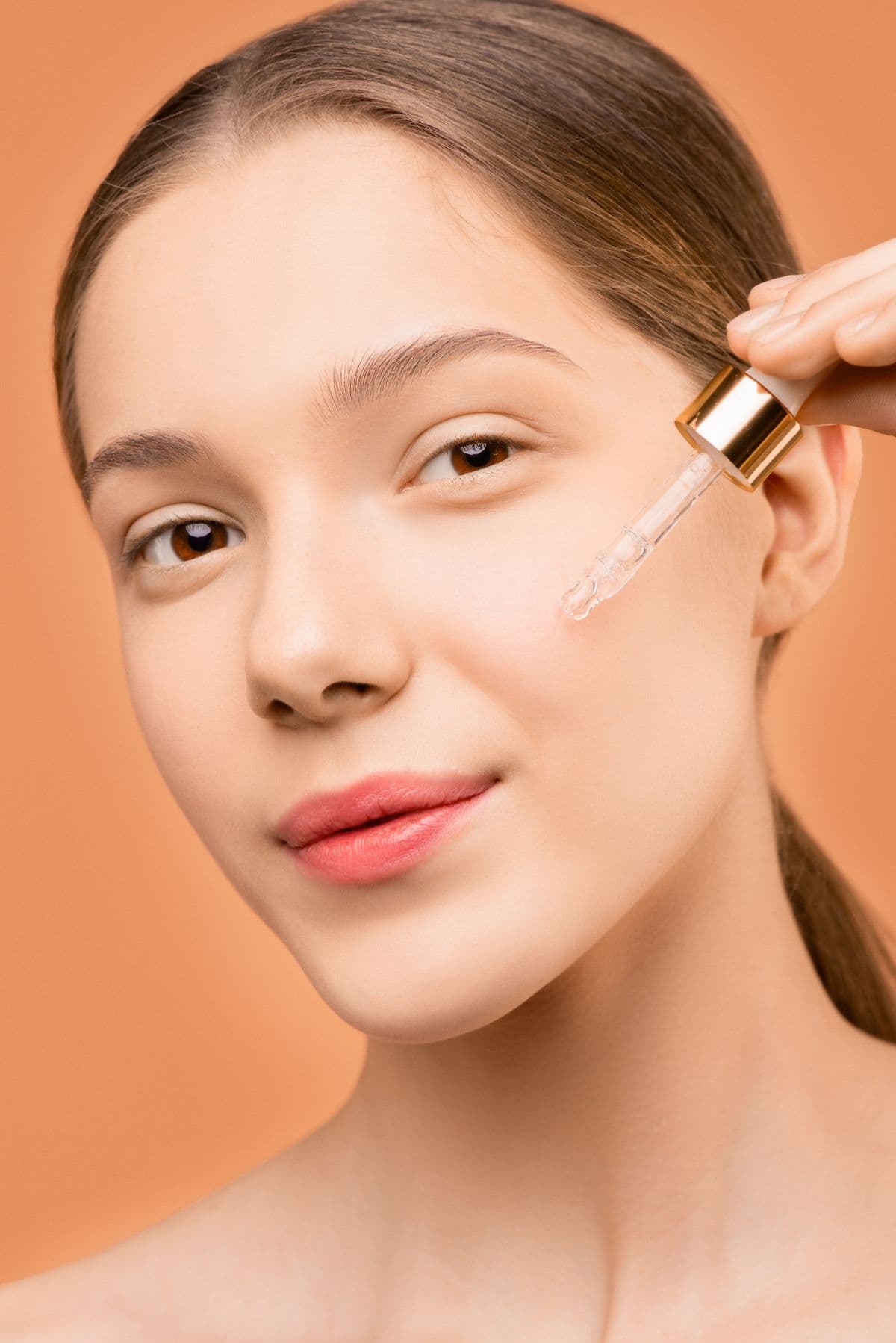
Peptides are everywhere on skincare shelves now, from budget serums to luxury creams, and the labels rarely explain what they are or which one you are actually buying. This guide covers what peptides are in plain English, the main types you will see on ingredient lists, what each is known for, and how to pick a product without getting lost in the marketing.
Short answer
What peptides are
A peptide is a short chain of amino acids. Proteins are long chains of the same building blocks, so you can think of peptides as protein fragments. Skin structure relies heavily on proteins, collagen and elastin above all, which is why peptides became interesting to cosmetic chemists in the first place.
On an ingredient list, peptides rarely appear under the friendly name from the front of the bottle. You will see entries like palmitoyl pentapeptide-4, copper tripeptide-1, or acetyl hexapeptide-8. The number usually tells you how many amino acids are in the chain. If you have seen GHK-Cu mentioned in ingredient discussions, that is a peptide too: a three-amino-acid chain bound to copper.
The main types of peptides
Most peptides in skincare fall into a few working categories. The names sound technical, but the practical differences are easy to grasp.
| Type | Well-known example | Usually chosen for |
|---|---|---|
| Signal peptides | Matrixyl (palmitoyl pentapeptide-4) | The appearance of firmer, smoother skin over time |
| Carrier peptides | Copper peptides (GHK-Cu / copper tripeptide-1) | The look of smoother, more even, healthier-seeming skin |
| Neuromodulating peptides | Argireline (acetyl hexapeptide-8) | Softening the look of expression lines |
| Enzyme-inhibitor peptides | Soy-derived peptides | Supporting a smoother overall appearance |
Carrier peptides get their name because they deliver a trace element along with the amino acids. Copper peptides are the famous example, and they have a whole ecosystem of products built around them. Our guide to copper peptides for skin goes deeper on that family specifically.
What peptides are known for
The honest version: peptides are associated with gradual, subtle changes in how skin looks, not overnight transformation. People reach for them for the appearance of firmness, smoother texture, softer-looking fine lines, and a generally healthier-looking complexion.
Their other big selling point is temperament. Unlike retinol or exfoliating acids, peptides do not come with an expected adjustment period of flaking or stinging. That makes them popular with people who have sensitive skin, and with anyone who wants an active step that does not demand careful scheduling. The trade-off is patience: where a strong acid changes how skin feels in days, peptides are a weeks-to-months ingredient, and results stay modest and cosmetic.
How to choose a peptide product
The peptide name on the label matters less than most marketing suggests, and the overall formula matters more. A few practical checks help separate solid products from expensive water.
Look for the actual peptide on the ingredient list, reasonably high up rather than dead last. A product that leads with a named peptide, such as copper tripeptide-1 or palmitoyl tripeptide-1, tells you more than one that just says "peptide complex" on the front. Serums usually carry higher concentrations than moisturizers, which is why most dedicated peptide products come in dropper bottles. And if you are weighing the two most talked-about options against each other, our copper peptides vs Matrixyl comparison covers that choice in detail.
Fitting peptides into a routine
Peptides are low-drama in a routine. Apply a peptide serum to clean, dry skin, give it a moment to settle, then follow with moisturizer and, in the morning, sunscreen. Most formulas suit both morning and evening use.
A quick way to match a peptide to a goal:
- If general firmness and smoothness is the goal: a signal peptide like Matrixyl or a copper peptide serum are the usual starting points.
- If expression lines bother you most: argireline is the peptide most often chosen for that specific look.
- If your skin is reactive: peptides in a simple, fragrance-free formula are one of the gentler ways to add an active step.
- If you already use retinol: peptides can slot into the opposite time of day rather than replacing it.
Whichever you pick, introduce it alone, patch test, and give it a realistic window of six to twelve weeks before judging. For a step-by-step example built around the copper family, see our copper peptide serum routine guide.
Frequently asked questions
What do peptides actually do for your skin?
In cosmetic use, peptides are associated with the appearance of firmer, smoother, plumper-looking skin. Different peptides are chosen for different goals: some are linked to a firmer look, others to softer-looking expression lines, and copper peptides to a generally smoother, more even appearance. Results are gradual and vary from person to person.
Are peptides better than retinol?
They are different tools rather than direct competitors. Retinol is a stronger active with a well-known adjustment period, while peptides are usually gentle and easy to tolerate. Many people use both, on alternate nights or at different times of day. If your skin is sensitive, peptides are often the more comfortable place to start.
Can you use peptides every day?
Most peptide products are formulated for daily use, and many people apply them morning and night without trouble. They are generally considered gentle, without the purging or flaking associated with stronger actives. As with any new product, introduce it gradually and patch test first.
Which peptide is best for aging skin?
There is no single winner. Matrixyl (palmitoyl pentapeptide-4) and copper peptides (GHK-Cu) are two of the most established options for the appearance of firmer, smoother skin, while argireline is chosen for the look of expression lines. The formula around the peptide matters as much as the peptide itself.
Do peptides in skincare actually work?
Peptides are among the better-studied cosmetic ingredients, and they are widely used for the appearance of firmer, smoother skin. That said, topical results are gradual and modest compared with professional treatments, and individual formulas vary a lot. Consistent use over weeks, alongside sunscreen, is where people tend to notice a difference.
Can you use peptides with vitamin C or niacinamide?
Niacinamide and peptides generally layer well, and both are considered gentle. Vitamin C is more debated: very acidic vitamin C formulas are sometimes kept separate from copper peptides, so many people simply use vitamin C in the morning and peptides at night. Gentler vitamin C derivatives raise fewer questions.