Comparisons
Copper Peptides vs Niacinamide: Which One, and Can You Layer Them?
What copper peptides and niacinamide each do for the look of skin, how they differ, and whether it makes sense to use them together.
Last updated · Reviewed by the PeptideGHK editorial team
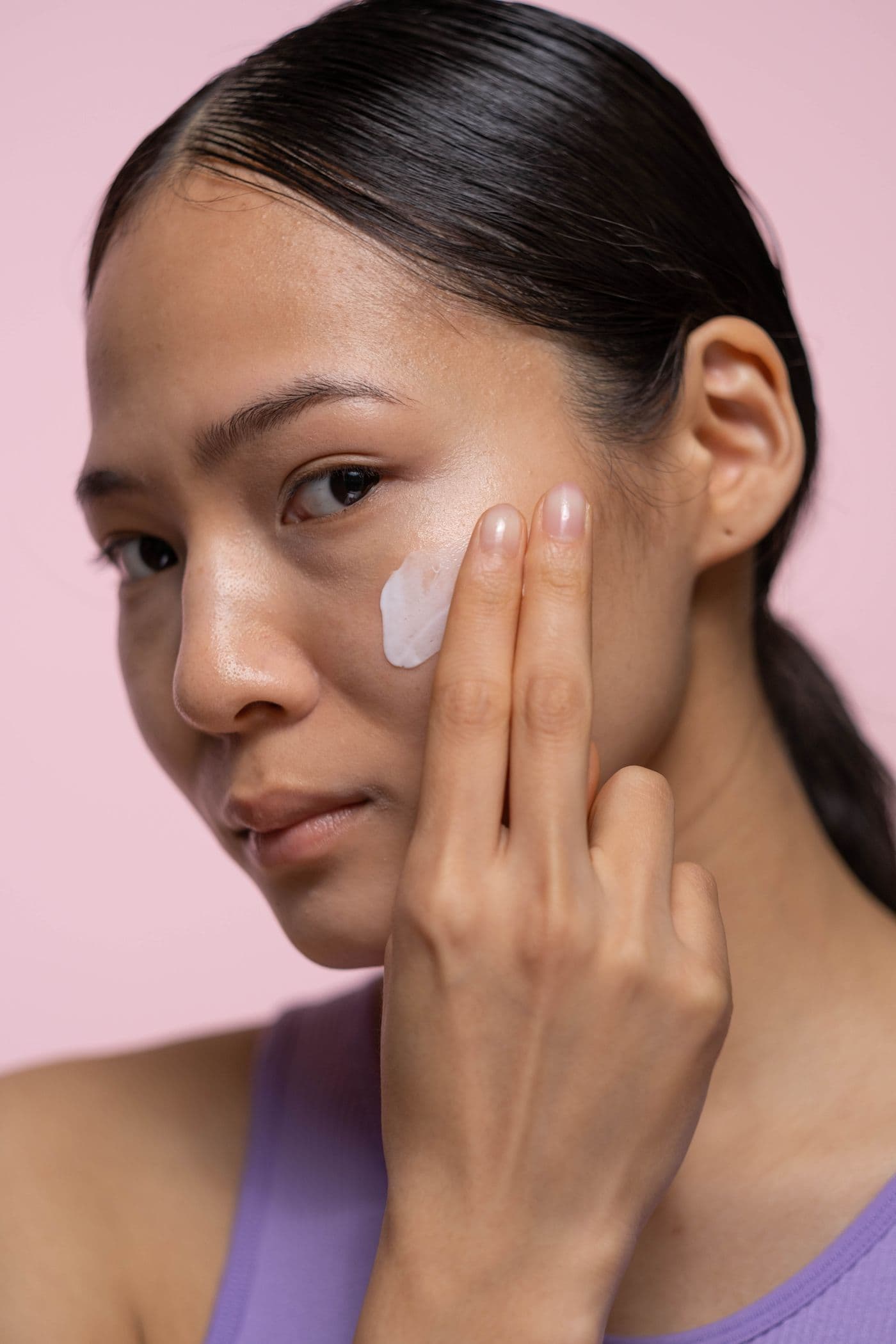
Copper peptides and niacinamide both have a reputation for being kind to skin, so people often ask whether they should choose one or use both. They are different ingredients with different strengths, and the good news is that they usually get along. This guide covers what each is known for, how they differ, and how they fit together in a routine.
Short answer
What each ingredient is known for
Niacinamide is a form of vitamin B3 and one of the more versatile ingredients in skincare. In cosmetic use it is associated with the appearance of a more even, balanced-looking complexion, and it shows up across serums, moisturizers, and toners at a wide range of price points. It is popular partly because so many skin types get along with it.
Copper peptides are usually the form known as GHK-Cu, listed as Copper Tripeptide-1 on labels. If you want a broader look at how they behave on skin, our guide to copper peptides for skin covers what to expect. In cosmetic terms they are discussed around the look of firmer, smoother, more even skin, and they are often described as gentle enough for regular use.
How they differ
The table below lays out the practical differences people care about. Treat it as a general orientation, since individual products and individual skin vary.
| Feature | Copper peptides | Niacinamide |
|---|---|---|
| Main purpose | Often chosen for the appearance of firmer, smoother skin | Often chosen for the look of an even, balanced complexion |
| Beginner friendliness | Generally considered easy to start with | Very approachable and widely tolerated |
| Common sensitivity risk | Typically low, though reactions are still possible | Usually low, even at everyday concentrations |
| Best routine timing | Morning or night, depending on the product | Morning or night, and often both |
| Product types | Mostly serums, sometimes creams | Serums, moisturizers, and toners |
Both get called gentle: what that means
When people describe an ingredient as gentle, they usually mean it is less likely to trigger the dryness or stinging that stronger actives can cause early on. Niacinamide and copper peptides both earn that label, which is a big part of their appeal for anyone building a low-fuss routine.
Gentle does not mean reaction-proof, though. Any ingredient can disagree with a given person, and higher concentrations or busy routines can push even mild ingredients into uncomfortable territory. So the sensible move is the same one that applies to any active: start slow, watch your skin, and add products one at a time.
Layering copper peptides and niacinamide
Because both are usually well tolerated and aim at somewhat different appearance goals, plenty of people use them in the same routine. A common approach is to apply the thinner, more watery product first, let it settle for a moment, then follow with the next one. Product texture matters more than a strict rule here.
If you are just starting, it still helps to introduce one ingredient at a time so you can tell which product is doing what, and whether either one bothers your skin. For where a copper peptide serum sits among the rest of your steps, see our copper peptide serum routine guide. Patch test any new pairing, and if you have reactive skin, consider checking with a dermatologist.
How to choose based on skin goals
Rather than picking a single winner, match the choice to what you want and how your skin behaves.
- If you want a versatile everyday ingredient: niacinamide is an easy all-rounder that suits many skin types.
- If firmness and smoothness are your focus: copper peptides may suit that appearance goal, usually with a gentle feel.
- If you want both: the two often layer comfortably, so you do not necessarily have to choose.
- If your skin is easily irritated: both are among the more tolerable options, though patch testing is still wise.
If you are also weighing stronger actives, our comparison of copper peptides vs retinol looks at a less gentle pairing. Whichever direction you go, keep the routine simple at first and let your skin set the pace.
Frequently asked questions
Can you use copper peptides and niacinamide together?
Many people layer them without trouble. Both are often described as gentle, and they target somewhat different appearance goals, so they can complement each other in a routine. As with any new pairing, introduce one at a time and patch test so you can tell how your skin responds.
Is niacinamide or copper peptides better for beginners?
Both are approachable. Niacinamide is a well-tolerated all-rounder that suits a lot of skin types, and copper peptides are usually described as gentle too. Neither comes with the pronounced adjustment period some stronger actives have, so either can be a comfortable starting point.
Do copper peptides and niacinamide do the same thing?
Not exactly. Niacinamide is a versatile ingredient linked to the appearance of a more even, balanced-looking complexion. Copper peptides are usually discussed around the look of firmer, smoother skin. They overlap in some goals but are distinct ingredients.
What order should I apply them in?
A common approach is to apply the thinner, more watery product first, let it settle, then follow with the next. Many people put a lightweight niacinamide serum before a copper peptide serum, or the reverse if textures differ. There is no single correct order, so go by product consistency.
Is either one likely to irritate sensitive skin?
Both are among the more tolerable ingredients, which is part of why they get called gentle. Even so, reactions are always possible, so patch testing and a slow introduction make sense whichever you start with.